
Ai shine
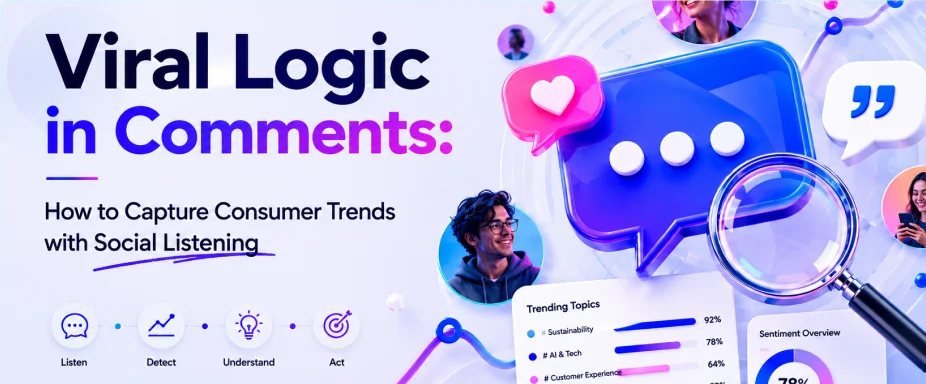
Viral Logic in Comments: How to Capture Consumer Trends with Social Listening

Viral Logic in Comments: How to Capture Consumer Trends with Social Listening

by AI SHINE

Home>Blog>Social Listening & Consumer Insights>Viral Logic in Comments: How to Capture Consumer Trends with Social Listening

Introduction

Every brand dreams of creating a viral product or campaign, but most guess at what consumers want—wasting time, budget, and resources on ideas that fall flat. The truth is: the secret to viral success isn't in focus groups or guesswork; it's hidden in the millions of unfiltered comments consumers leave every day on social media, e-commerce platforms, and forums.

Consumers don't just leave comments to complain or praise—they reveal their deepest desires, emerging preferences, and unmet needs. These comments are a free, real-time focus group that never closes, and social listening is the key to unlocking their insights. For consumer-facing brands, mastering this skill means you can stop chasing trends and start leading them—creating products and content that resonate deeply and drive viral growth.

In this post, we'll show you how to use social listening to turn scattered comments into actionable trend insights, identify viral potential early, and build a strategy that turns consumer feedback into success. We'll skip the jargon, focus on practical steps, and help you optimize for search—so your brand gets found by the right audience.
1. Filter High-Value Comments to Cut Through Noise

Not all comments are created equal. To find trend signals, you first need to separate valuable insights from irrelevant chatter. Focus on three types of high-value comments that reveal true consumer trends:

· High-Engagement Comments: Liked, replied to, or shared comments—these reflect widespread resonance, not one-off opinions. For example, a high-comment "I wish this came in a travel size" is a stronger trend signal than a single mention.

· Long-Form Comments: Detailed, thoughtful comments (more than 2 sentences) often contain specific desires or pain points. A comment like "I love the formula but wish it was more moisturizing for winter dry skin" is gold for trend spotting.

· Recurring Comments: When the same request, complaint, or question appears across multiple users and platforms, it's not a coincidence—it's a emerging trend. Tools that track keyword frequency can help you spot these patterns quickly.

Pro Tip: Use social listening tools to filter out spam, irrelevant emojis, and one-word comments (e.g., "nice" or "cool")—this saves time and lets you focus on insights that drive action. This also helps optimize your content for search, as search engines prioritize valuable, relevant information.

2. Distinguish Between Short-Term Fads and Long-Term Trends

One of the biggest mistakes brands make is confusing a viral fad with a sustainable trend—and wasting resources on short-lived hype. Social listening helps you tell the difference by tracking two key factors:

· Duration: Fads (e.g., a viral dance challenge or a one-off meme) peak quickly and fade within weeks. Trends (e.g., clean beauty, sustainable packaging, or emotional consumption) grow steadily over months or years and align with long-term consumer values.

· Context: Fads are often disconnected from consumer needs ("everyone's buying this because it's viral"). Trends are rooted in real desires—like "I want products that are good for the planet" or "I need small, affordable items to relieve stress".

Example: In 2026, "cry horse" plush toys went viral as a fad—born from a production error, they tapped into a short-term emotional trend but faded quickly. Meanwhile, the broader trend of emotional consumption (consumers buying products for comfort and connection) has persisted, growing into a trillion-dollar market. By using social listening to distinguish the two, brands could invest in long-term emotional product lines instead of chasing the fad.

3. Mine Scene-Specific Keywords to Uncover Hidden Trends

Consumers don't use generic terms when talking about their needs—they use scene-specific language that reveals exactly what they're looking for. These scene-specific keywords are not only powerful for social listening but also for SEO, as they match how real users search.

For example, instead of searching for "lipstick," a consumer might comment "yellowish skin-friendly brightening lipstick" or "long-lasting lipstick for office wear." These phrases are gold—they tell you the exact trend (brightening, long-lasting) and the scene (yellowish skin, office) driving demand.

Action Step: Use social listening tools to collect scene-specific keywords from comments, then group them by category (e.g., "office use," "travel," "sensitive skin"). This helps you identify niche trends that larger brands might miss—and optimize your content and products for these high-intent search terms.

4. Use Comment Data to Validate Trend Feasibility

A trend might sound promising, but you need data to confirm it's worth investing in. Social listening lets you validate trends with three key metrics—critical for avoiding costly mistakes:

· Mention Volume: How often is the trend mentioned? A keyword with 10,000+ monthly mentions is a stronger trend than one with 100.

· Audience Alignment: Is the trend popular with your target audience? A trend loved by teenagers won't help a brand targeting middle-aged parents.

· Conversion Signals: Do comments include purchase intent? Phrases like "where can I buy this" or "I'll buy it if it's released" mean the trend has real commercial potential.

Pro Tip: Use tools to check search volume for trend-related keywords—aim for terms with 5,000-20,000 monthly searches; these have enough demand to drive traffic and sales without being too competitive.

5. Tap Into Emotional Value in Comments to Catch Viral Trends

Today's most successful viral products don't just solve a problem—they tap into emotions. 56.3% of young consumers are willing to pay for emotional value, and their comments reveal exactly what emotions they're seeking (comfort, joy, relief, belonging).

Social listening helps you identify these emotional triggers. Look for comments that mention feelings: "this makes me feel less stressed," "I love how this makes me look," or "finally, something that understands me." These emotions are the fuel for viral growth—they turn customers into brand advocates who share your product with others.

Example: A skincare brand noticed comments like "I'm tired of products that make my sensitive skin burn—I just want something gentle and comforting." They launched a "gentle comfort" line, leaning into the emotional need for safety and relief. The line went viral, with customers sharing their "relief stories" in comments and social posts—driving organic growth and search traffic.

6. Analyze Competitor Comments to Find Viral Gaps

Your competitors' comment sections are a goldmine for trend insights—they reveal what's working for them, what's not, and where you can stand out. Use social listening to analyze competitor comments and ask:

· What are consumers asking for that your competitors aren't delivering?

· Which of their products are getting the most positive comments—and why?

· Are there complaints about their products that you can solve with a better offering?

By identifying these gaps, you can create products that fill unmet needs—without competing directly on price. For example, if competitors' comments are full of "wish this was more affordable," you could launch a budget-friendly version of the trend to capture market share.

7. Turn Comment Trends Into Actionable Viral Strategies

The goal of social listening isn't to collect data—it's to create products and content. Once you've identified a trend, use these three steps to turn it into action:

· Product Iteration: Update existing products or launch new ones to match the trend. If comments mention "travel-sized products," add a travel line; if they want "sustainable packaging," switch to eco-friendly materials.

· Content Marketing: Create content that highlights the trend and your brand's solution. Use the scene-specific keywords you mined to optimize for search—e.g., a blog post titled "The Best Yellowish Skin-Friendly Brightening Lipsticks in 2026" or a TikTok video showing "How to Use Our Comfort Skincare for Stress Relief."

· User-Generated Content (UGC): Encourage customers to share their experiences with your trend-aligned products. Repost their comments, reviews, and videos—this builds trust and drives viral growth, as consumers are more likely to buy from people they relate to.

Conclusion

Viral success isn't luck—it's about listening to what consumers are already telling you. Every comment is a clue to their desires, and social listening is the tool that turns those clues into actionable trends. By filtering high-value comments, distinguishing fads from trends, mining scene-specific keywords, and tapping into emotional value, you can create products and content that resonate deeply, drive search traffic, and become viral hits.

For consumer-facing brands, the comments section isn't just a place to respond to feedback—it's a strategic tool to stay ahead of the competition, connect with your audience, and turn consumer insights into business growth. Start listening today, and you'll never guess at what consumers want again.

Next Steps

· Run a 7-day comment audit across your brand's social media and e-commerce pages to identify top recurring trends.

· Use social listening tools to collect scene-specific keywords from comments and add them to your SEO strategy.

· Analyze 2-3 competitors' comment sections to find unmet needs and viral gaps.

· Test a trend-aligned product or content piece, then use social listening to track its performance and refine your strategy.