
Ai shine
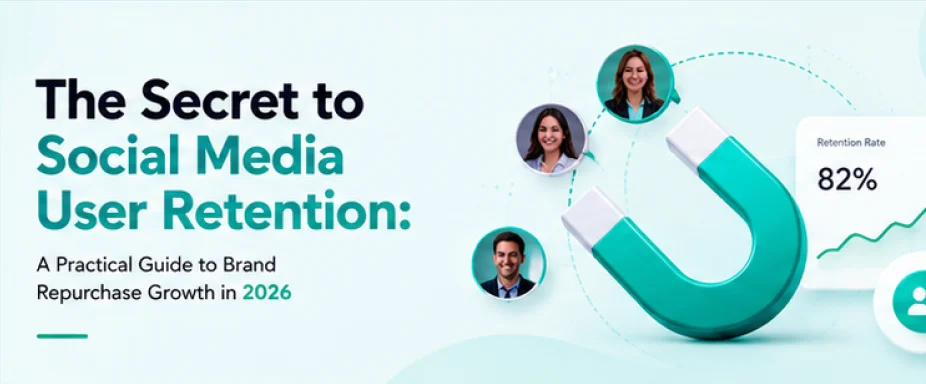
The Secret to Social Media User Retention: A Practical Guide to Brand Repurchase Growth in 2026

The Secret to Social Media User Retention: A Practical Guide to Brand Repurchase Growth in 2026

by AI SHINE

Home>Blog>Brand Reputation & Online Reputation Management>The Secret to Social Media User Retention: A Practical Guide to Brand Repurchase Growth in 2026

Introduction

In 2026, acquiring a new social media user costs 5 times more than retaining an existing one—and repeat customers spend 67% more than new ones. Yet, most consumer-facing brands still focus all their energy on attracting new followers, ignoring the goldmine of existing users who have already shown interest in their brand. The problem isn't a lack of potential; it's a failure to nurture relationships and create reasons for users to come back and buy again.

Social media is no longer just a channel for acquisition—it's a powerful tool for retention and repurchase. In a world where consumers have endless choices, brands that can keep their social media users engaged, valued, and incentivized will win long-term loyalty and steady revenue growth. Retention isn't about "keeping followers"—it's about turning one-time buyers into repeat customers, and repeat customers into brand advocates.

This guide is designed for brand marketers, social media managers, and growth teams who want to unlock the power of user retention to drive repurchase growth. We'll break down a step-by-step framework for social media retention, share actionable tactics to keep users engaged and eager to buy again, address common retention mistakes, and provide real-world examples of brands that have mastered this approach. We'll also optimize for key SEO terms like "2026 social media user retention," "brand repurchase strategy," and "social media customer loyalty" to ensure your content reaches brands seeking sustainable growth.
1. Understand Retention vs. Acquisition – Why Retention Matters More in 2026

Before diving into tactics, it's critical to understand the difference between user acquisition and retention—and why retention is the key to sustainable growth in 2026. Acquisition is about attracting new users to your social media channels and converting them into first-time buyers. Retention is about keeping those users engaged, building long-term relationships, and encouraging them to make repeat purchases.

Why Retention Is Non-Negotiable in 2026:

Lower Cost, Higher ROI: As mentioned, acquiring a new user is 5x more expensive than retaining an existing one. Repeat customers also have a higher lifetime value (LTV)—they spend more, buy more frequently, and are more likely to refer others.

Consumer Loyalty Is Fragile: In 2026, consumers are more likely to switch brands if they feel unvalued or unengaged. Social media is the frontline of your relationship with users—neglecting it means losing them to competitors.

Retention Drives Organic Growth: Engaged, repeat customers are more likely to share your content, leave reviews, and refer friends—driving organic acquisition without additional cost. This creates a self-sustaining growth cycle.

Example: A DTC apparel brand shifted its focus from acquisition to retention: they reduced their paid social spend on new user ads by 40% and redirected that budget to retention-focused content. Within 8 months, their repeat purchase rate increased by 38%, and their organic social reach grew by 52%—all while cutting marketing costs.

2. Build an Engaged Community – The Foundation of Retention

In 2026, user retention isn't just about sending promotional messages—it's about building a community of users who feel connected to your brand and to each other. A strong community creates emotional loyalty, which is far more powerful than transactional loyalty.

How to Build a Retention-Driven Social Media Community:

Create a Sense of Belonging: Define your brand's values and mission, and align your community around them. For example, a sustainable fashion brand could build a community around "ethical shopping" and "environmental responsibility."

Encourage Interaction: Ask questions, host discussions, and invite users to share their experiences. For example, post a question like "What's your favorite way to style our new jeans?" or host a live Q&A with your team.

Amplify User Voices: Repost user-generated content (UGC), highlight customer stories, and give users a platform to be heard. This makes users feel valued and invested in your brand.

Create Exclusive Community Benefits: Offer community-only perks, such as early access to new products, exclusive discounts, or private live streams. This gives users a reason to stay engaged and active.

Pro Tip: Use social media groups (e.g., Facebook Groups, Instagram Close Friends) to create a dedicated space for your community. These spaces allow for more intimate interactions and make users feel like part of an exclusive club.

3. Personalize the User Experience – Stop Treating Users as a Homogeneous Group

In 2026, users expect personalized experiences—they don't want to be just another follower in your feed. Personalization makes users feel seen and valued, which increases engagement and encourages repeat purchases.

Personalization Tactics for Retention:

Use User Data to Tailor Content: Leverage social media analytics and customer data to understand each user's preferences, purchase history, and engagement patterns. For example, if a user frequently engages with your skincare content, send them personalized recommendations for skincare products.

Segment Your Audience for Targeted Messaging: Split your audience into segments (e.g., first-time buyers, repeat customers, lapsed users) and create tailored content for each segment. For example, send lapsed users a personalized discount to encourage them to come back.

Use Personalized Communication: Address users by name in DMs, reference their past purchases, and acknowledge their engagement. For example, a DM saying, "Hi Lisa, we noticed you loved our hydrating serum—check out our new moisturizer that pairs perfectly with it!"

Example: A beauty brand used AI to personalize their social media content: they analyzed each user's engagement history and sent them personalized Stories featuring products they were likely to love. This personalization increased their engagement rate by 45% and their repeat purchase rate by 30%.

4. Create a Retention-Focused Content Calendar – Keep Users Coming Back

A consistent, retention-focused content calendar is key to keeping users engaged and eager to interact with your brand. Your content should provide ongoing value, not just promote products—and it should be tailored to the needs of your existing users.

What to Include in Your Retention Content Calendar:

Educational Content: Help users get the most out of your products or services. For example, a kitchenware brand could post tutorials on "how to use our air fryer to make healthy meals" or "5 ways to clean your cast-iron skillet."

Behind-the-Scenes Content: Give users a glimpse into your brand's culture, team, and process. This builds trust and emotional connection. For example, post a Reel of your team designing new products or a Day-in-the-Life of your founder.

User Spotlight Content: Highlight your customers' stories, UGC, and testimonials. This makes users feel valued and encourages others to engage. For example, post a Carousel of customer photos with their stories about how your product changed their lives.

Loyalty Rewards and Incentives: Regularly share loyalty program updates, exclusive discounts, and rewards for repeat customers. For example, post a Story saying, "Repeat customers get 20% off their next order—use code LOYAL20 at checkout!"

Pro Tip: Plan your content calendar around your users' journey. For example, send a follow-up post to first-time buyers a week after their purchase (e.g., "How's your new product working for you?"), and send a loyalty reward to repeat customers after their third purchase.

5. Leverage Loyalty Programs – Incentivize Repeat Purchases

Loyalty programs are one of the most effective tools for driving repurchase growth—they give users a clear reason to come back and buy again. In 2026, successful loyalty programs are social-first, integrated with your social media channels, and focused on value, not just points.

How to Build a Social-First Loyalty Program:

Integrate Loyalty with Social Media: Allow users to earn points for social media actions (e.g., following your account, sharing your content, leaving a review). For example, a coffee brand could offer 10 points for sharing a photo of their coffee on Instagram.

Offer Meaningful Rewards: Avoid generic rewards (e.g., a free product after 10 purchases). Instead, offer rewards that align with your users' values—such as exclusive content, early access, or charitable donations in their name.

Communicate Loyalty Benefits Clearly: Regularly remind users of their loyalty status, points balance, and available rewards. For example, post a monthly update saying, "You have 50 points—redeem them for a free skincare sample or 15% off your next order!"

Make It Easy to Redeem Rewards: Simplify the redemption process—allow users to redeem rewards directly through social media (e.g., via a link in bio) or in-store. The easier it is to redeem, the more likely users are to participate.

Example: A wellness brand launched a social-first loyalty program: users earned points for following their Instagram, sharing their content, and leaving reviews. They could redeem points for exclusive wellness guides, early access to new products, or a free consultation with a wellness coach. Within 6 months, 40% of their repeat purchases came from loyalty program members.

6. Re-engage Lapsed Users – Win Them Back Before They Leave for Good

Even with the best retention strategies, some users will become lapsed—they stop engaging with your content or making purchases. In 2026, re-engaging lapsed users is just as important as retaining active ones—because lapsed users already have brand awareness and trust, making them easier to win back than new users.

How to Re-engage Lapsed Social Media Users:

Identify Lapsed Users: Use social media analytics to identify users who haven't engaged with your content or made a purchase in 3-6 months. Segment them by their past behavior (e.g., first-time buyers, repeat customers) to tailor your re-engagement tactics.

Send a Personalized Re-engagement Message: Reach out to lapsed users with a personalized DM or email, acknowledging their absence and offering an incentive to come back. For example, "Hi Mike, we miss seeing you! Use code WELCOMEBACK for 25% off your next order—we've got new products we think you'll love."

Create Re-engagement Content: Post content specifically designed to win back lapsed users—such as a "what you've missed" Reel, a limited-time offer, or a reminder of your brand's value. For example, a fashion brand could post a Reel of their latest collection with the caption: "We saved you a spot—come check out our new arrivals!"

Follow Up: If a lapsed user doesn't respond to your first message, follow up with a second, non-intrusive message. For example, "Hi Mike, just a quick reminder—your 25% off code expires in 3 days! We'd love to have you back."

Example: A home decor brand identified lapsed users who hadn't purchased in 4 months. They sent each user a personalized DM with a 30% off code and a link to their new collection, along with a note saying, "We noticed you loved our throw pillows—check out our new line of cozy blankets!" 28% of lapsed users redeemed the code and made a purchase, and 15% of those became repeat customers.

7. Avoid Common Retention Mistakes – Don't Let Users Slip Away

Many brands sabotage their retention efforts with common mistakes. By avoiding these pitfalls, you can keep more users engaged and drive more repeat purchases:

· Mistake 1: Focusing Only on Promotions: While promotions are important, bombarding users with constant sales messages will make them feel valued only for their money. Balance promotional content with value-driven content (e.g., educational, entertaining, community-focused).

· Mistake 2: Ignoring User Feedback: Users will tell you what they want—if you ignore their comments, DMs, and reviews, they'll feel unvalued and leave. Respond to feedback promptly, and use it to improve your products and content.

· Mistake 3: Being Inconsistent: Inconsistent content, messaging, or engagement will confuse users and erode trust. Post regularly, maintain a consistent tone, and engage with users consistently.

· Mistake 4: Not Measuring Retention Metrics: You can't improve what you don't measure. Track key retention metrics like repeat purchase rate, engagement rate, customer lifetime value (LTV), and churn rate.

8. Adapt to 2026 Retention Trends – Stay Ahead of the Curve

The social media retention landscape is evolving, and 2026 brings new trends that can help you keep users engaged and drive repurchase growth. By adapting to these trends, you can stay ahead of competitors and build long-term loyalty:

· AI-Powered Predictive Retention: AI tools can now predict which users are at risk of churning (becoming lapsed) and suggest personalized actions to retain them. For example, an AI tool might identify a user who hasn't engaged in 2 weeks and recommend sending them a personalized content piece.

· Social Commerce Integration: Integrate social commerce features (e.g., in-app purchases, shoppable posts) with your retention strategy. Make it easy for users to make repeat purchases directly from your social media channels.

· Experiential Content: Create immersive, experiential content (e.g., virtual events, AR filters, interactive quizzes) to keep users engaged. For example, a beauty brand could host a virtual makeup masterclass for loyalty program members.

Conclusion

In 2026, brand growth isn't about acquiring as many new users as possible—it's about retaining the ones you already have. Social media is the perfect channel to nurture relationships, build community, and incentivize repeat purchases. By focusing on retention, you can reduce marketing costs, increase customer lifetime value, and drive sustainable growth.

Remember: Every user you retain is a potential repeat customer and brand advocate. By building an engaged community, personalizing the user experience, creating a retention-focused content calendar, leveraging loyalty programs, re-engaging lapsed users, and adapting to trends, you can unlock the secret to social media user retention and drive consistent repurchase growth.

Next Steps

· Audit your current retention efforts—identify which tactics are working and which are not.

· Build a social media community (e.g., a Facebook Group) for your existing users.

· Segment your audience and create personalized content for each segment.

· Launch or optimize your social-first loyalty program.

· Identify lapsed users and create a re-engagement campaign.

· Track key retention metrics and iterate on your strategy based on data.