
Ai shine
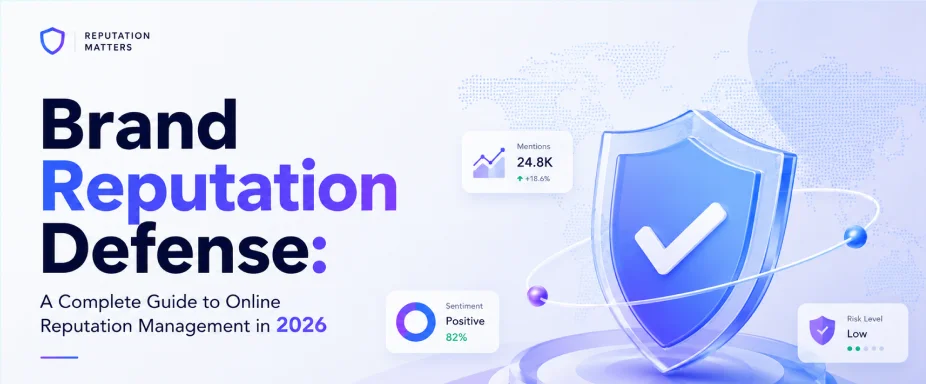
Brand Reputation Defense: A Complete Guide to Online Reputation Management in 2026

Brand Reputation Defense: A Complete Guide to Online Reputation Management in 2026

by AI SHINE

Home>Blog>Brand Reputation & Online Reputation Management>Brand Reputation Defense: A Complete Guide to Online Reputation Management in 2026

Introduction

In 2026, a brand's reputation is no longer built by ads or marketing campaigns alone—it's shaped by every online conversation, every review, and every comment from your consumers. One negative viral post, a string of poor reviews, or even a single unaddressed complaint can erode trust in hours, costing your brand customers, sales, and long-term loyalty.

For consumer-facing brands, online reputation management (ORM) isn't a reactive task reserved for crises—it's a proactive strategy that protects your brand's most valuable asset: trust. Many brands make the mistake of waiting until a crisis hits to act, but the best way to defend your reputation is to build it intentionally, monitor it consistently, and address issues before they escalate.

This guide is designed for brand managers, marketing teams, and customer service leaders who want to take control of their online reputation. We'll cover everything from building a strong foundation to handling crises, measuring success, and adapting to 2026's evolving digital landscape—no jargon, just practical steps that deliver real results. We'll also optimize for key SEO terms like "online reputation management 2026," "brand reputation defense," and "customer review management" to ensure your brand is found by those seeking solutions.
1. Build a Proactive Reputation Foundation – Don't Wait for Crises

The strongest reputation defense is a strong reputation itself. In 2026, consumers trust brands that are transparent, consistent, and responsive—and that starts with building a proactive foundation before issues arise.

Key Steps to Build Your Foundation:

Define Your Brand Values & Promise: Clearly articulate what your brand stands for (e.g., "affordable, high-quality skincare for sensitive skin") and ensure every team—from product to customer service—lives up to it. Consistency builds trust, and trust is the cornerstone of a strong reputation.

Encourage Positive Reviews Proactively: Happy customers are your best advocates. Send post-purchase follow-up emails, SMS, or in-app prompts asking satisfied customers to leave reviews on platforms like Amazon, Trustpilot, or Google. A steady stream of positive reviews dilutes the impact of negative ones.

Be Transparent About Shortcomings: No brand is perfect. If you make a mistake (e.g., a product delay, a quality issue), own it publicly. Consumers respect honesty—hiding mistakes only makes them worse and damages trust.

Example: A 2026 survey found that brands with proactive review strategies have 37% higher positive reputation scores than those that don't. A fast-fashion brand, for instance, sends a follow-up SMS 3 days after delivery, offering a small discount for a review—and saw their positive review rate jump by 42% in 6 months.

2. Monitor All Online Touchpoints – Reputation Risks Are Everywhere

In 2026, your brand's reputation is scattered across dozens of platforms—social media, e-commerce sites, review platforms, forums, and even influencer content. Missing a negative comment or a viral complaint can lead to a full-blown crisis.

What to Monitor (and Why):

Review Platforms (Amazon, Trustpilot, Google, Yelp): These are the first places consumers check before buying—negative reviews here directly impact sales.

Social Media (TikTok, Instagram, Twitter/X, Facebook): Viral negative content spreads fast here—even a single post can reach millions in hours.

Forums & Niche Communities (Reddit, Facebook Groups, industry forums): These are where consumers share unfiltered opinions—negative sentiment here can spread to broader audiences.

Influencer Content: A negative mention from a micro-influencer with a loyal following can damage your reputation among your core audience.

Pro Tip: Use a reputation management tool that aggregates mentions across all platforms, sends real-time alerts for negative sentiment, and categorizes feedback by topic (e.g., product quality, customer service). This saves time and ensures you never miss a risk.

3. Master the Art of Responding to Reviews – Every Comment Matters

How you respond to reviews—both positive and negative—shapes how consumers perceive your brand. In 2026, 78% of consumers say they judge a brand by how it responds to feedback. A generic, copy-pasted response won't cut it—you need to be personal, empathetic, and solution-focused.

Best Practices for Responding:

Respond Fast: Aim to respond to all reviews within 24 hours. Delayed responses make consumers feel ignored, which worsens negative sentiment.

Personalize Your Response: Use the customer's name, reference their specific feedback, and avoid generic phrases like "thank you for your feedback." For example, instead of "we're sorry you had a bad experience," say "Hi Sarah, we're sorry your order arrived damaged—we've sent a replacement and a 20% discount to make it right."

Turn Negatives Into Positives: For negative reviews, acknowledge the issue, apologize sincerely, and offer a clear solution. This shows other consumers that you care about their experience and are willing to fix mistakes.

Thank Positive Reviewers: Don't ignore positive feedback—thank customers for their support and reinforce your brand values. For example, "Hi Mike, thank you for loving our cruelty-free skincare! We're committed to creating products that are kind to your skin and the planet."

4. Address Negative Sentiment Before It Escalates – Nip Crises in the Bud

Not all negative feedback becomes a crisis—but unaddressed feedback almost always does. In 2026, the average negative comment takes 48 hours to go viral if left unaddressed. The key is to identify small issues early and resolve them before they spread.

How to Nip Risks in the Bud:

Set Up Sentiment Alerts: Use your reputation management tool to send alerts for sudden spikes in negative sentiment or specific keywords (e.g., "broken," "scam," "bad service").

Assign a Reputation Owner: Designate a team member or team to oversee reputation management—they'll be responsible for monitoring feedback, responding to comments, and escalating serious issues.

Resolve Issues Privately First: For serious complaints (e.g., a product recall, a customer being mistreated), reach out to the customer privately to resolve the issue before they share it publicly. Offer a meaningful solution (e.g., a refund, a replacement, a personal apology) to turn them into an advocate.

Example: A beauty brand noticed a spike in negative comments about a new serum causing irritation. They immediately reached out to affected customers, offered full refunds, and shared a public statement explaining they were reformulating the product. By acting fast, they prevented a viral crisis and retained 85% of the affected customers.

5. Manage Influencer & Partner Reputation Risks – Your Brand Is Only as Strong as Your Allies

In 2026, influencer and partner collaborations are a key part of brand marketing—but they also pose reputation risks. A scandal involving an influencer you work with, or a partner with a poor reputation, can damage your brand by association.

How to Mitigate These Risks:

Vet Influencers & Partners Thoroughly: Before collaborating, check their past content, audience sentiment, and reputation. Avoid influencers with a history of controversial posts or unethical behavior.

Set Clear Guidelines: Provide influencers and partners with clear guidelines on how to represent your brand—including what language to use, what topics to avoid, and how to respond to negative feedback.

Monitor Collaborations Closely: Track content from influencers and partners to ensure they're adhering to your guidelines. If an influencer posts something problematic, act fast to distance your brand and address the issue publicly.

6. Measure Your Reputation Health – Track What Matters

To defend your reputation, you need to measure it. In 2026, reputation management isn't just about responding to feedback—it's about tracking key metrics to understand what's working, what's not, and where you need to improve.

Key Metrics to Track:

Reputation Score: A composite score (1-100) that combines sentiment, review volume, and engagement—track this monthly to see if your reputation is improving or declining.

Review Volume & Rating: Track the number of reviews you receive (positive vs. negative) and your average rating across platforms. A steady increase in positive reviews and a high average rating indicate a strong reputation.

Sentiment Ratio: The percentage of positive vs. negative vs. neutral mentions. Aim for a ratio of 70%+ positive, 20% neutral, and 10% or less negative.

Crisis Response Time: How long it takes you to respond to negative feedback or crises. Faster response times correlate with better reputation outcomes.

Pro Tip: Create a monthly reputation report to share with your team and leadership. This report should highlight key insights, trends, and actions taken—helping everyone align on reputation goals.

7. Adapt to 2026's Reputation Trends – Stay Ahead of the Curve

The digital landscape is constantly evolving, and so is reputation management. In 2026, two key trends are shaping how brands defend their reputation: AI-powered tools and consumer demand for authenticity.

How to Adapt:

Leverage AI for Efficiency: Use AI-powered reputation management tools to automate monitoring, sentiment analysis, and even draft personalized responses. This saves time and ensures consistency—while freeing up your team to focus on complex issues.

Prioritize Authenticity: Consumers in 2026 crave authenticity over perfection. Be transparent about your mistakes, share behind-the-scenes content, and let your brand's personality shine through. Authenticity builds trust and resilience—even when things go wrong.

Embrace User-Generated Content (UGC): UGC is one of the most powerful tools for building reputation. Encourage customers to share their experiences (photos, videos, reviews) and repost this content. It's social proof that builds trust with potential buyers.

Conclusion

In 2026, brand reputation is the ultimate competitive advantage. It's not enough to have a great product—you need to protect and nurture the trust of your consumers. By building a proactive foundation, monitoring all online touchpoints, responding to feedback with empathy, addressing issues early, and adapting to emerging trends, you can defend your reputation and turn it into a growth driver.

Remember: Reputation management is a continuous process, not a one-time task. It requires consistency, empathy, and a willingness to adapt. The brands that prioritize their reputation in 2026 are the ones that will win long-term loyalty, drive sales, and stand out in a crowded marketplace.

Next Steps

· Audit your current online reputation across all platforms—identify gaps and areas for improvement.

· Set up a reputation management tool to monitor feedback and send real-time alerts.

· Create a response template for positive and negative reviews (customize it for each platform).

· Assign a reputation owner and schedule monthly reputation reports.

· Test one new strategy (e.g., proactive review requests, UGC campaigns) and track its impact on your reputation score.